
Opublikowano: 24-03-2026
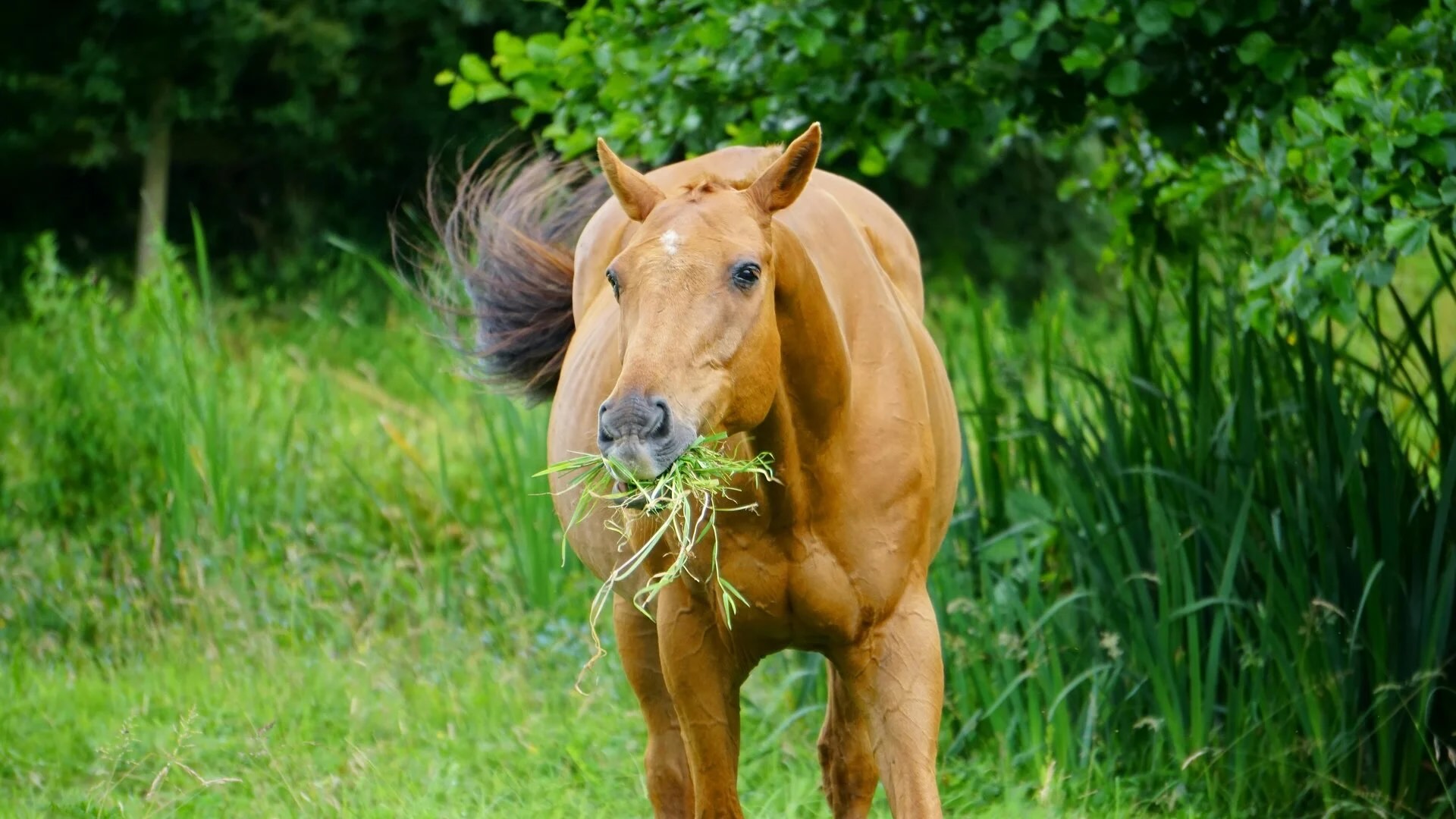
Discover how proper nutrition affects your horse's respiratory health. Learn about the importance of high-quality forage and essential nutrients to help your horse breathe deeply.
When discussing respiratory health in horses, we often first think of dust in the stable air or bedding. This is absolutely correct, as the environment plays a massive role. However, one factor that is equally decisive yet often underestimated is nutrition. What and how your horse eats has a direct and indirect impact on its ability to breathe and how resilient its respiratory system is to irritants and pathogens.
Roughage Quality – The Direct Link to the Airways
The most important nutritional factor for respiratory health is undoubtedly the quality of roughage—meaning hay or haylage. Horses spend a large part of the day eating, inevitably inhaling particles from their feed.
Low-quality hay can contain high amounts of dust particles, mold spores, bacteria, and endotoxins. These tiny particles are released during feeding, travel deep into the lungs, and trigger inflammation, irritation, and allergic reactions. This is the primary cause of many chronic respiratory diseases, such as Equine Asthma. Even small amounts can cause issues in sensitive horses or worsen existing symptoms.
Solutions for Low-Dust Roughage
To minimize the burden from roughage, selecting high-quality, clean hay with low dust and mold content is essential. This is often the best and simplest measure. If hay quality is not optimal or the horse is very sensitive, additional steps can be taken:
-
Hay Steaming: Professional hay steamers heat the hay to temperatures above 100°C. This effectively reduces bacteria, mold spores, and mites significantly (often by over 90%) while binding dust. This is considered the most effective method of roughage preparation for respiratory issues.
-
Hay Soaking: Fully submerging hay in water for 30–60 minutes binds dust particles. However, this also leaches out water-soluble nutrients (like sugars and proteins), and during longer soaking times (over 2 hours, especially in warmer temperatures), bacteria can multiply rapidly. Soaking is less effective at reducing mold spores than steaming.
Specific Nutrients to Support the Airways
In addition to minimizing irritants, providing certain nutrients can positively influence respiratory health and strengthen the immune system:
-
Antioxidants: Vitamins such as Vitamin E and Vitamin C, along with the trace element Selenium, are powerful antioxidants. They help neutralize cell damage caused by inflammatory processes and oxidative stress in the lungs.
-
Omega-3 Fatty Acids: These polyunsaturated fatty acids (abundant in flaxseed or chia seeds) have anti-inflammatory properties. They can help dampen excessive inflammatory responses in the airways.
Conclusion: Nutrition as a Pillar of Respiratory Health
Nutrition plays a fundamental role in your horse's respiratory health. Choosing clean, high-quality roughage is the most important step. Supportive nutrients like antioxidants and Omega-3s can strengthen resilience and mitigate inflammation. View nutrition not in isolation, but as one of three pillars—management, feeding, and veterinary care—that together provide the best possible foundation for free breathing and a healthy life.