
Opublikowano: 30-03-2026
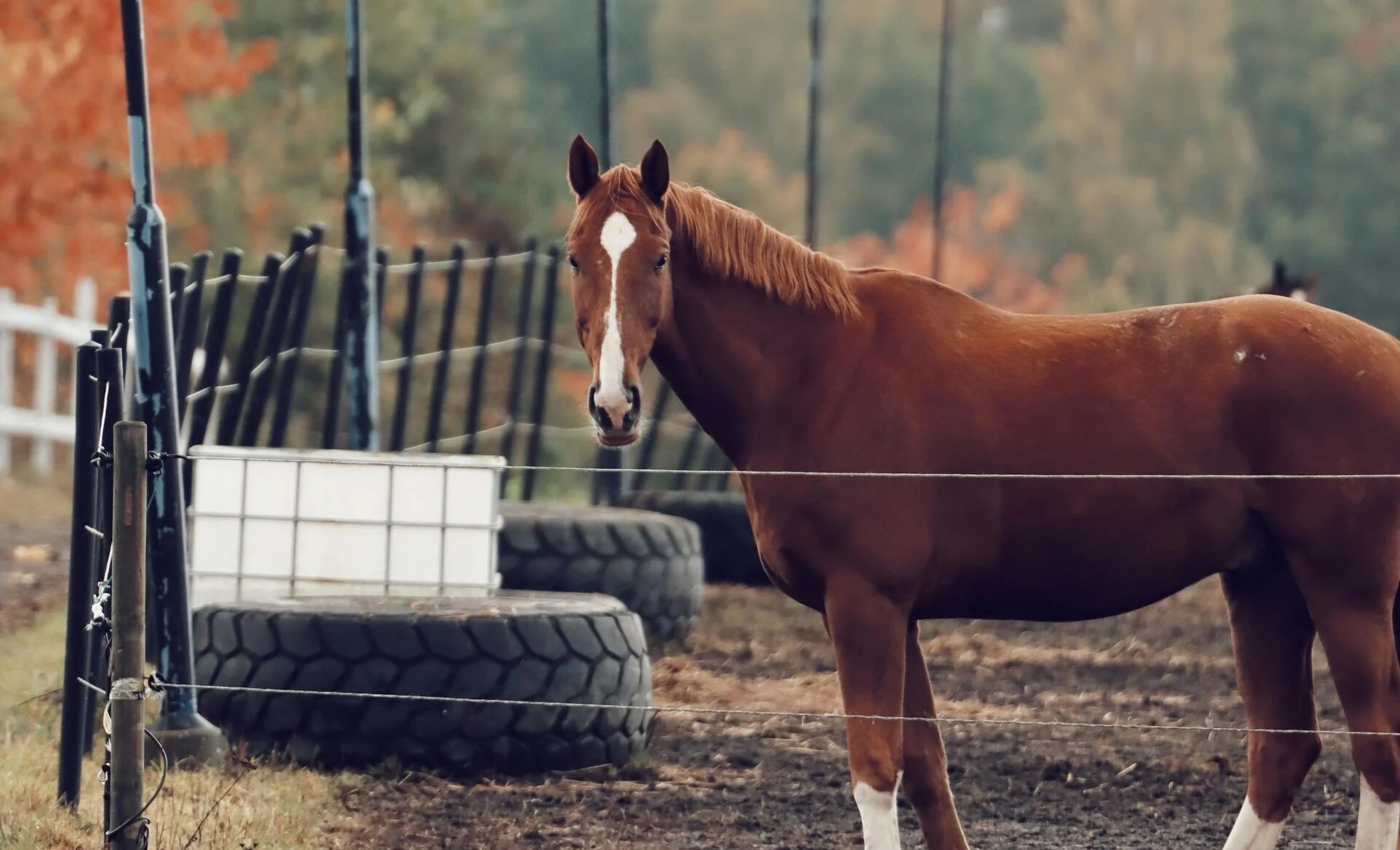
A horse's respiratory tract is a remarkably adaptable system, yet it remains highly sensitive to environmental changes. As the environment shifts throughout the year—from spring blossoms and dry summers to wet autumns and cold winters spent in stables—it is vital to consider the unique risks each season poses to equine lungs. Being aware of these risks allows you to take proactive measures and keep your horse in peak condition.
Why the Seasons Count
Seasonal fluctuations impact several factors that directly or indirectly affect the airways:
-
Air Quality: Concentrations of dust, pollen, mold spores, and ammonia change.
-
Temperature and Humidity: Extreme or sudden changes can overwhelm the respiratory mucous membranes.
-
Management: Housing conditions (pasture vs. stable), feeding practices, and work intensity often shift seasonally.
Spring: The Pollen Surge
With the arrival of spring comes pollen season. Tree, grass, and weed pollen travel on the wind and can trigger allergic reactions in sensitive horses. These reactions manifest not only as itching but often as coughing, nasal discharge, or shortness of breath—similar to hay fever in humans.
Spring Tip: Monitor your horse for symptoms, especially after turnout. If you suspect a pollen allergy, keep the horse stabled during peak pollen hours or consider using a nose net or pollen mask.
Summer: Heat, Humidity, and Dust
Dry summer spells lead to increased dust levels—on pastures, in riding arenas, and during trail rides. Inhaling fine dust particles irritates the airways and can worsen inflammation. High temperatures combined with high humidity can also make breathing difficult, especially for horses with pre-existing conditions.
Summer Tip: Keep riding arenas and paths damp to minimize dust. Ensure excellent ventilation in the stable. On very hot days, move strenuous training to the cooler parts of the day.
Autumn: Transition and Mold Spores
Autumn often brings erratic weather. As the grazing season ends, horses spend more time in the stable, and their airways must adapt to a new environment. This is a critical time: stables are often not yet optimally ventilated, and horses are suddenly confronted with dry hay and dusty straw again.
Autumn Tip: Prepare the stable for winter early by ensuring maximum ventilation and checking the quality of hay and bedding. If possible, make the transition from pasture to stable gradual.
Winter: The Biggest Challenge
Winter is the most critical time for horses with respiratory issues. The main culprit is increased stabling. To keep the warmth in, stables are often poorly ventilated, leading to a high concentration of irritants: dust from hay, ammonia from urine, and mold spores. This "stable air" is responsible for classic winter respiratory problems.
Winter Tip: Total ventilation is the top priority! It is better for it to be cold and fresh than warm and damp. Use low-dust bedding and high-quality, steamed, or soaked hay. Ensure plenty of movement in the fresh air and allow for a thorough warm-up phase before training in cold air.
Conclusion: Management Pays Off
The first step is seasonal risk awareness. The second is consistent management that minimizes these risks. The core actions—proper ventilation, dust-free forage, and clean bedding—are essential year-round but must be adapted and strictly observed as winter approaches.
Observe your horse closely. At the first sign of coughing or labored breathing, do not hesitate to consult your veterinarian. Early diagnosis and seasonal adjustments to management are key to preventing chronic issues.