
Opublikowano: 30-03-2026
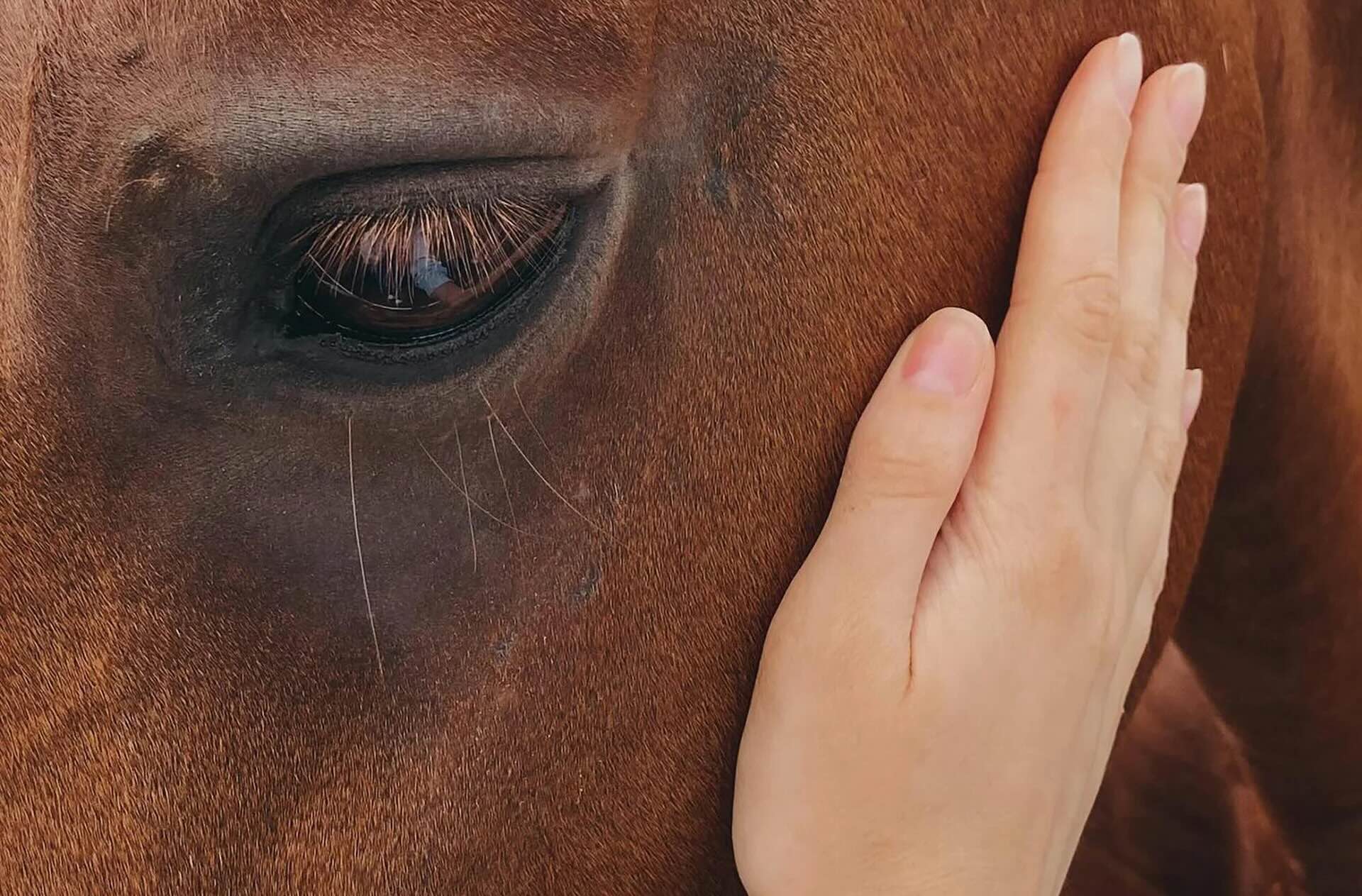
What are the TRUE costs of neglected equine asthma? It’s more than just vet bills.
It is heartbreaking to see your horse struggle to breathe. Every bout of coughing and every visible effort to exhale hurts our souls as horse owners. And yet, it happens time and again: symptoms of respiratory issues are ignored or downplayed. "Oh, he just coughed up a bit of dust" or "It's just the weather." But what really happens when equine asthma (RAO) is not taken seriously? The costs are far higher than you might initially think—for the horse, for your wallet, and for your peace of mind.
Today, we discuss the potential costs of treatment, the painful loss of performance, and the emotional burden that arises when asthma is neglected. Most importantly, we show you why early action and prevention are the best investments you can make for your horse's lungs.
When asthma is not taken seriously: a vicious cycle begins
Equine asthma often starts insidiously: an occasional cough during feeding or exercise. If these warning signs are ignored and the horse remains exposed to triggers (mostly dust and mold spores from hay/straw), the inflammation in the airways progresses. The bronchi narrow further, thick mucus forms, and lung function is permanently impaired. What began as "just a little cough" can develop into permanent respiratory distress that plagues the horse day and night.
The financial downside: vet bills are just the start
Let's start with the obvious: veterinary costs. An acute RAO flare-up requiring emergency treatment can quickly become expensive. Diagnostics such as endoscopy or bronchoalveolar lavage (BAL) are necessary to assess the lung's condition, and they come at a price.
Then there are the medication costs. Horses with advanced asthma often require expensive drugs—corticosteroids (oral, injectable, or inhaled), bronchodilators, or mucolytics. In some cases, these must be administered for life. Furthermore, neglected asthma forces you into other expenses:
-
Specialized feed and bedding: You MUST switch to low-dust hay, haylage, or steamed hay (often more expensive). Dust-free bedding (shavings, pellets, etc.) is also usually costlier than straw.
-
Specialized equipment: You may need an inhaler to deliver medication directly to the airways. This is a necessary investment.
Loss of performance: a painful goodbye to goals
For many horse owners, time spent in the saddle or doing groundwork is the heart of their relationship. Neglected asthma inevitably leads to a loss of performance. A horse with breathing difficulties can no longer perform at a normal level. Trail rides become impossible, the horse lacks "stamina" during training, and competitions are out of the question. In the worst-case scenario, the horse must be retired completely, ending the sporting ambitions and shared experiences that mean so much to us.
The emotional burden: worry, guilt, and helplessness
There is an often underestimated dimension: the emotional toll on the owner. It is grueling to see a horse suffer and to know that perhaps you should have acted sooner. Concerns about the horse's well-being become a constant companion. Frustration over recurring issues and the feeling of helplessness in the face of a chronic illness can dim the joy of horse ownership.
The best investment: prevention is CHEAPER than cure!
Here is the crucial message: The cost of prevention and early management is ALWAYS lower than the cost of treating advanced, neglected asthma. Think about it:
-
Prevention costs: Yes, dust-free bedding and steamed hay may be more expensive than straw and dry hay. An inhaler is an investment.
-
But what do you save? You save on emergency vet bills, high doses of expensive chronic medications, clinic stays, and the emotional stress that comes with severe flare-ups.
Early action often means that simple and more cost-effective measures, such as consistent dust reduction and perhaps short-term inhalation with saline solution, are enough to keep the lungs healthy.
Conclusion: The true costs of neglected equine asthma are high. But these costs are avoidable! By taking the first signs seriously and optimizing your horse's environment, you invest in their long-term health and save yourself money and stress in the long run. Act early—your horse will thank you with a clear breath!